Movement looks different for everyone. For some, it might mean a morning run, swimming, dancing or a regular gym session. For others, it could be gardening, seated exercise or doing housework.
To put this into practice, Kaplan brought apprentices and staff together for a Movement Challenge, encouraging everyone to make time for physical activity in a way that suited them.
Rather than setting a fixed target, the challenge encouraged everyone to find ways to move more at their own pace. The focus was on celebrating individual achievements, finding time for activity around everyday commitments and exploring how movement could support wellbeing, instead of competing to record the most steps.
Making movement more inclusive
Traditional step challenges can be a great way to encourage people to get active, but they don’t always capture the full picture of what movement looks like.
That’s why Kaplan introduced a movement conversion chart, allowing participants to include a wider range of activities in their totals. The chart helped recognise movement in many different forms, ranging from yoga and chair-based aerobics to wheelchair use and everyday tasks such as washing dishes.
The aim was simple: to make the challenge accessible to everyone, giving participants the freedom to choose activities that suited their abilities, routines and individual needs.
Everyone has different abilities and routines, so by focusing on personal bests rather than a single target, the challenge created space for participants to celebrate progress that was meaningful to them.
For Maxine Richmond, Talent Coach at Kaplan, this approach helped put her own achievements into perspective.
“One evening I did 10 lengths in the swimming pool. I know that's not a lot to some but it is to me.”
Having only recently learnt to swim, Maxine was proud to increase the number of lengths they could complete. Using the conversion chart also helped them realise how much movement her swimming represented.
She had committed to swimming twice a week with her husband and said they found themselves looking forward to each session, setting a new goal of completing more lengths each time.
Reflecting on the longer-term impact, she said:
“Most definitely, my husband and I are going to keep going swimming when it's quieter in the evening.”
Finding time to move around work and study
One of the biggest challenges participants faced was finding time for movement alongside work, study and other commitments.
For apprentices balancing professional responsibilities with exam preparation, fitting exercise into an already busy schedule isn't always straightforward. Josh Jackson, a learner at Kaplan, took part in the challenge to gain a better understanding of his movement habits:
“I wanted to be able to visualise how much I really move during a typical day. I think I've found I'd like to get moving more often.”
During the challenge, Josh focused on activities including weightlifting, walking and running. However, balancing these with revision for an exam proved difficult.
Despite the challenges of fitting movement into his routine, he also recognised the value of making time for activity:
“I've found that, after doing some form of exercise, I felt happier and more motivated.”
Josh's experience shows why finding manageable opportunities to be active can be valuable, particularly when exercise provides a welcome break from revision and other daily responsibilities.
Moving beyond the gym
For participants who already had established fitness routines, the challenge provided a different opportunity: to think about movement beyond their usual workouts.
Agnes Brettl, Frontend Developer at Kaplan UK, regularly attends the gym for weight training and cardio, alongside aiming for 10,000 to 12,000 steps each day. Taking part encouraged her to pay closer attention to how movement fitted into her working day.
Reflecting on her experience, she said:
“I think that's an important message: you don't necessarily need to go to the gym or do intense exercise to be active. Walking more, taking breaks from your desk and finding activities you genuinely enjoy can all add up.”
Although the challenge didn't completely change her existing habits, it encouraged her to pay more attention to how much she moved outside the gym. She also reflected on what helps her maintain her routine over time:
“For me, the biggest thing is consistency and finding something you enjoy enough to make it part of your lifestyle rather than something you feel forced to do.”
More than physical activity: supporting well-being
The benefits of movement can extend beyond physical health. For some people, exercise offers an opportunity to step away from managing stress and make time for themselves. As Agnes explains:
“I've always believed that being active is just as important for mental wellbeing as it is for physical health. Exercise helps me clear my head, manage stress and feel more positive and productive.”
However, everyone's experience of well-being is different. Some participants found it challenging to balance movement with other commitments, while others felt more tired as a result of their activities.
This highlights why well-being isn't about constantly pushing yourself or meeting someone else's expectations. It's about understanding your own needs, recognising your limits, and finding ways to look after yourself that work for you.
The challenge also brought apprentices and staff together, giving them an opportunity to share experiences, encourage one another and build connections. This sense of community is another important part of well-being, reminding us that support from others can make a difference to how we feel.
Building habits beyond the challenge
Although the Movement Challenge lasted just two and a half weeks, its impact doesn't have to end there.
The real value lies in what participants take away from the experience, whether that's making more time for movement, finding new ways to manage stress or feeling more connected to those around them.
At Kaplan, supporting learners and colleagues means recognising the importance of well-being alongside professional and personal development.
Initiatives like the Movement Challenge provide an opportunity to bring people together, encourage positive habits and remind everyone that their progress matters.
Reflecting on the challenge, organiser Lily Byfield said:
“Organising this event was an absolute joy! Following last year’s feedback, my main goal was to bridge the gap and make this year even more inclusive.”
“I spent a lot of time researching authentic, proven resources rather than relying on generic ideas, carefully building out clear steps in a spreadsheet to ensure every activity was practical and accessible. Adding that personal touch to make sure everyone, especially remote workers, felt included was so rewarding.”
“Whether it’s stepping away from your four walls for a quick tea break, doing a bit of gardening, or fitting in Pilates before work, I wanted movement to feel achievable for everyone.”
“Seeing the idea come to life and hearing such positive feedback makes it all worthwhile, and it’s definitely just the start.”
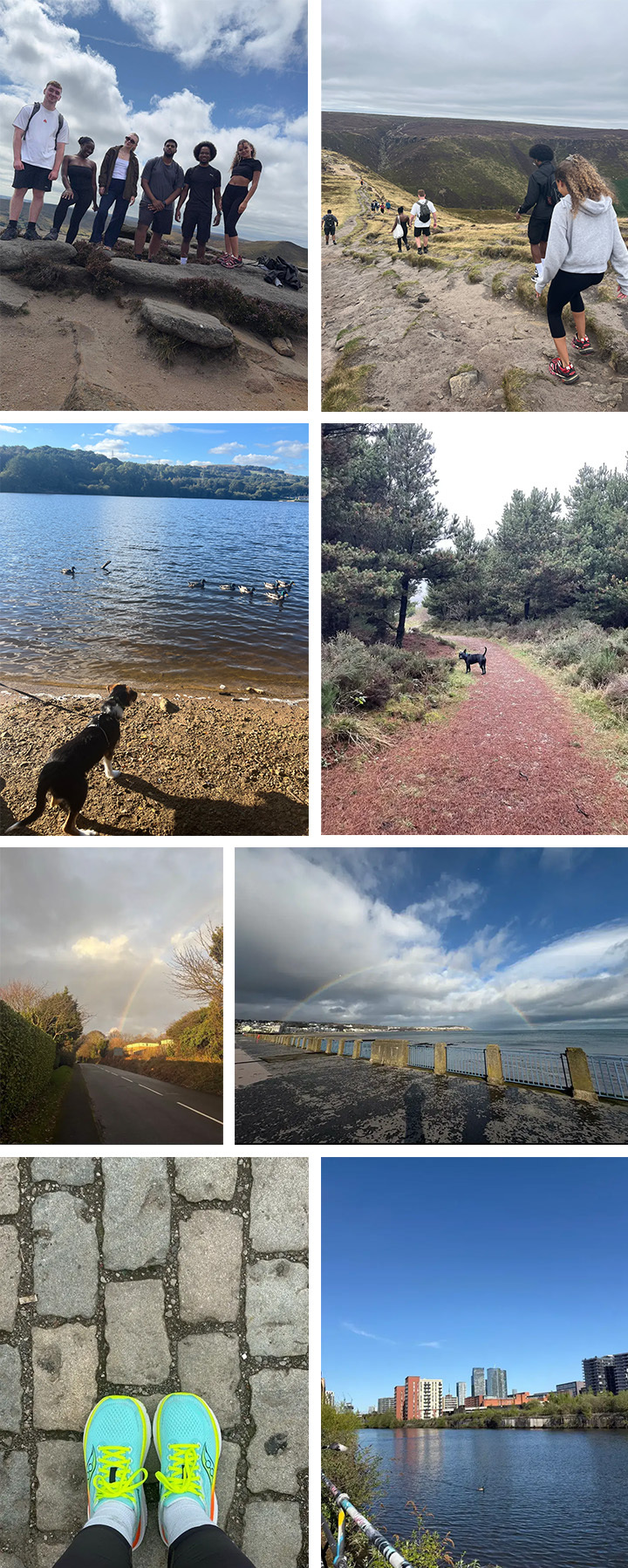
Take a look at how our staff and apprentices got involved in the Movement Challenge:
Continue your well-being journey
To help you explore well-being further, we've brought together three webinars offering practical advice and ideas you can apply to your own routine.
Start moving more with couch to 5k: simple steps for everyone
Interested in getting into running? Discover what Couch to 5K involves, who it can benefit, how the programme can fit around your routine, and what equipment you might need to get started.
Watch the webinar recording
Change your breath, change your life
Explore simple breathing techniques that can help you manage anxiety, support your mood, improve concentration and develop better sleep habits.
Watch the webinar recording
Mind fitness – a gentle, peaceful path to daily calm
Discover practical techniques to help you reset, improve focus and clarity, and manage feelings of overwhelm and burnout in everyday life.
Watch the webinar recording
FAQS
What is a movement challenge?
A movement challenge is an activity that encourages people to track or increase their physical activity over a set period. It can involve individual goals, shared activities or a friendly competition, with participants choosing ways to get involved that suit their circumstances.
How can you track movement beyond daily steps?
Steps are one way to measure activity, but they don't capture every form of movement. Depending on the challenge, participants could record activities such as swimming, cycling, yoga, gardening, or chair-based exercise using an agreed conversion chart or alternative measurement system.
How can workplaces encourage employees to take part in physical activity?
Workplaces can make participation easier by offering flexible ways to get involved, setting achievable goals and providing activities that accommodate different abilities and working arrangements. Allowing people to participate remotely can also help colleagues feel included, wherever they work.
How do you set a realistic movement goal?
Start by considering your current routine, the activities you enjoy and how much time you can comfortably set aside. Choose a manageable goal that fits around your other commitments, then adjust it as your circumstances change. The aim is to find a routine you can maintain, rather than setting a target that's difficult to sustain.
How can you maintain healthy habits after a fitness challenge ends?
Start by identifying which activities you enjoyed and which ones fitted most easily into your routine. Setting realistic goals, planning time for activity, and reviewing your progress can help you build a sustainable routine without relying on the structure of a formal challenge.